You respond to the crisis.
We help prevent the next one.
Forty percent of senior 911 calls are repeat. Your crews aren't just running medical — they're caregiving for families who need more than EMS can give. The Senior Navigator pilot is the credible handoff: we take the family from there, so the next 911 doesn't come from the same address.
The Problem
First Responders. Community Caregivers. No Backstop. Until Now
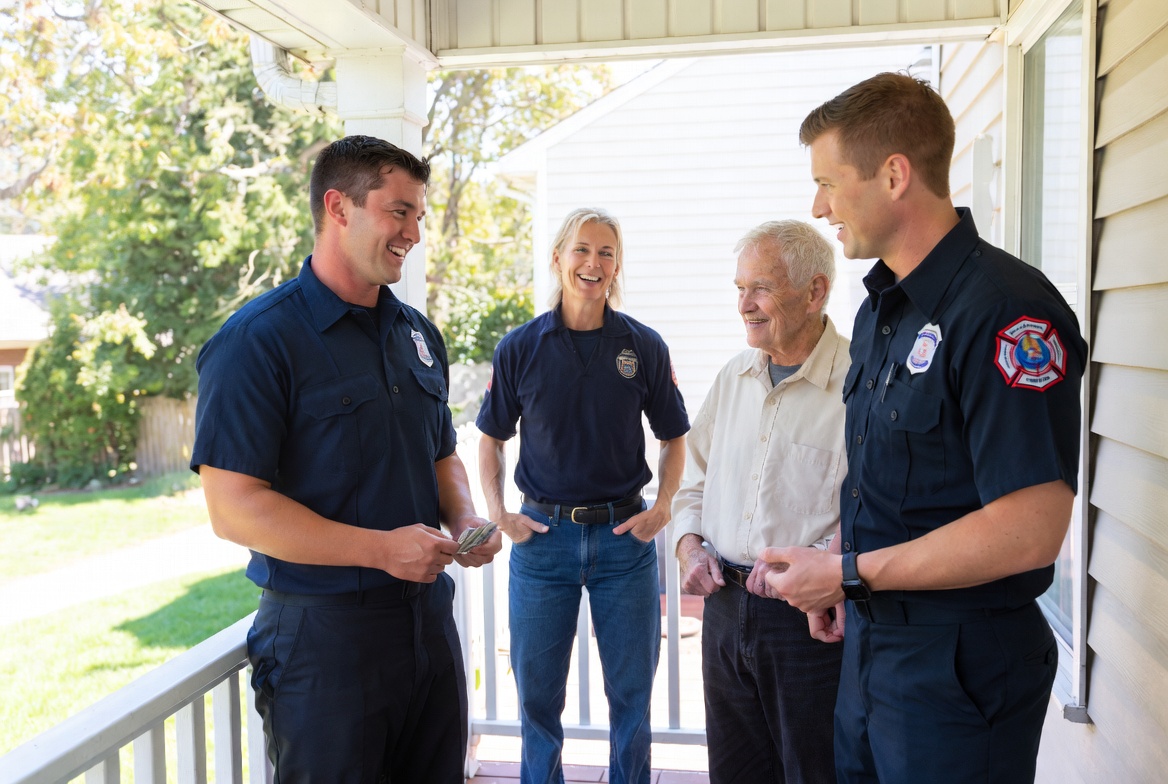
Your department sees it every shift. A senior who fell. A confused spouse who called 911. An adult child who doesn't know what to do next. Your crew runs the call, clears the scene, and drives away knowing the same house is going to light up the radio again. That's not a failure on the crew's part — they're not social workers, and they shouldn't have to be. It's a gap in who picks up the family after EMS clears. The pilot fills that gap.
This pilot launched in Washington State, where Concierge Care Advisors has worked alongside fire departments and community organizations since 2009. We shaped it with the firefighters and EMTs who kept asking the same question after every senior call: who picks this up after we leave?
See How Senior Navigator Works
You Run the Call. We'll Run the Follow‑Up.
Senior Navigator is built and operated by Concierge Care Advisors — not by your department. Once your crew hands the family the Rx pad, the family is in our system, not yours. They complete the assessment at home; a Certified Concierge Care Advisor takes the call if they want to talk; the situation gets handled. These three short videos show what the family actually goes through after you've cleared the scene.
About Concierge Care Advisors
Who Concierge Care Advisors is and how we support families.
Dashboard, Guided Care Plan & Cost Estimate
A walkthrough of the assessment, care plan, and localized cost estimate.
Care Funding Plan
How families build a realistic plan to pay for the care they need.
How the Pilot Works on Scene
Three Steps. The Last Two Aren't Yours.
- 1
Respond Normally
Run the call exactly the way you always do. The pilot doesn't change clinical care, transport decisions, or any part of your protocol. Welfare check, medical, lift assist — whatever the call is, finish it the same way you would today.
- 2
Hand the Family the Rx Pad
Before you leave, tear off a sheet from the Rx pad and give it to a family member or the senior. Tell them it's a free planning resource, that it takes about ten minutes, and that a real Concierge Care Advisor is on the other end if they want to talk to a person. That's the entire conversation.
- 3
Family Does the Rest
The family scans the QR code at home, on their own time. They get a guided care assessment, a localized cost estimate, a funding plan, and an optional advisor connection. None of that comes back to you.
No tracking. No follow-up. No paperwork. The pad does the work.
The Rx Pad
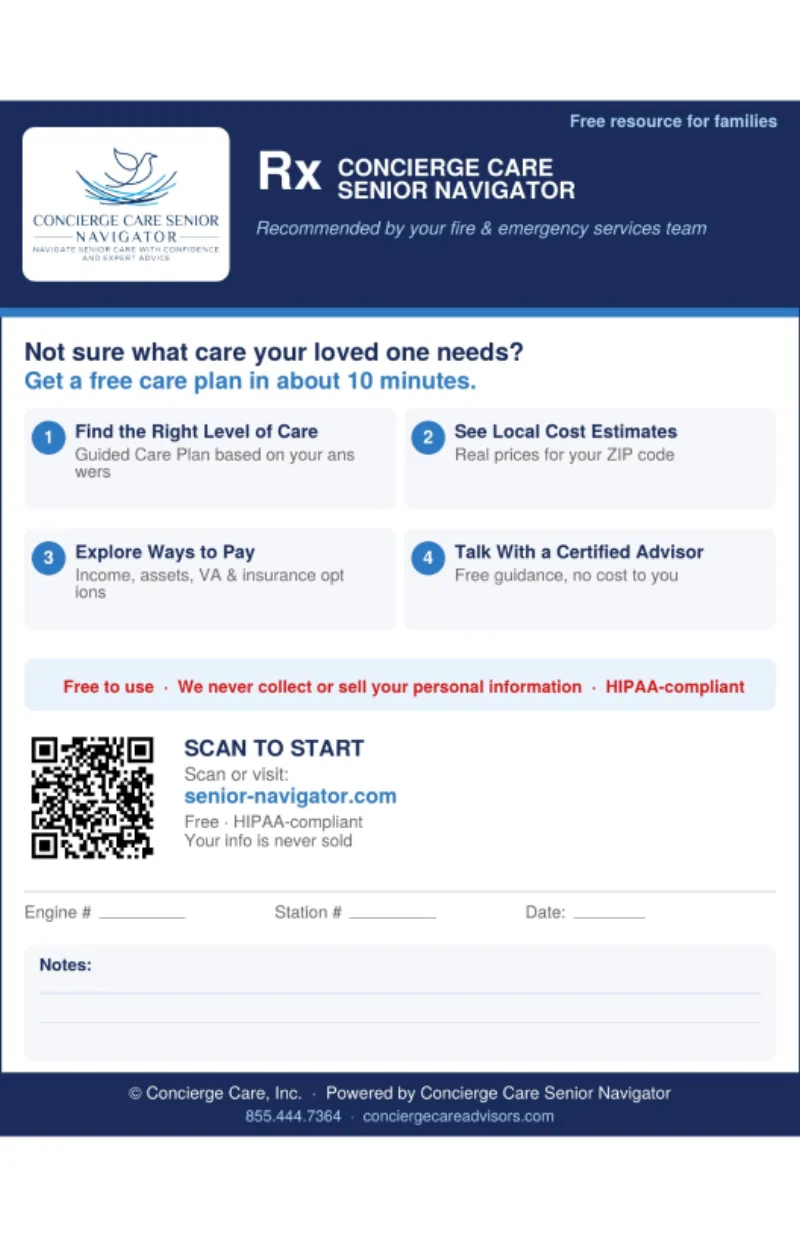
The Rx pad is a quarter-letter tear-off sheet designed to live on the truck. Each page has the QR code, a short note explaining what Senior Navigator is, the toll-free number for a Concierge Care Advisor, and space to write the date and the responding department.
You don't need to fill in much — date, department, and the crew member's first name if you want to. Everything the family needs to use the resource is already on the page. The information you write is for the family's reference, not for anyone to follow up on.
Hand it out anytime a senior welfare situation comes up: lift assists, medical calls, repeat 911s, a worried adult child, a spouse who can't manage at home anymore. If the situation looks like it needs more than EMS, the pad is for that.
Download the Rx Pad (PDF)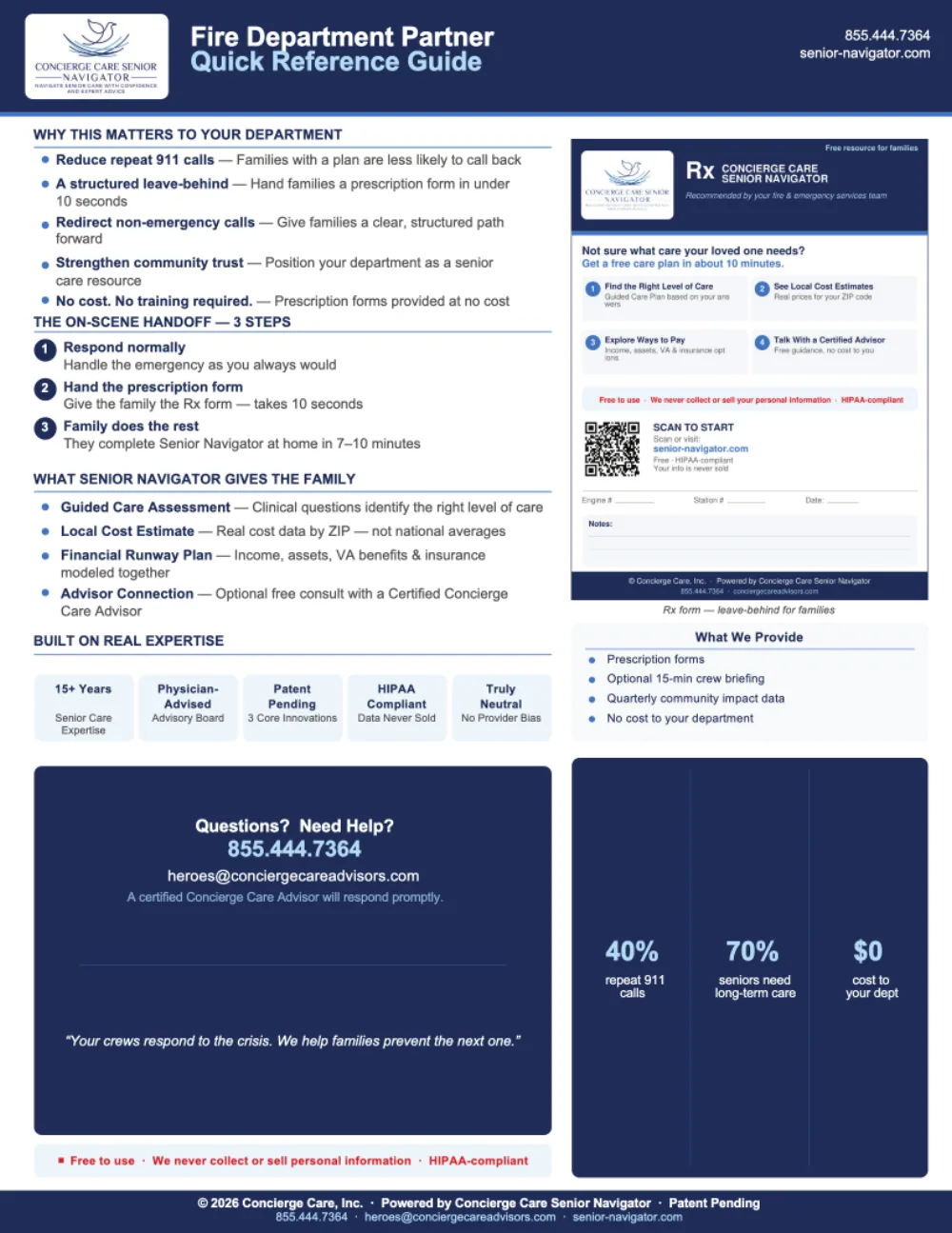
Quick Reference Guide
The QRG is a one-page reference for crews, training officers, and ride-alongs. It explains who Concierge Care Advisors is, what Senior Navigator does, the kinds of calls where the Rx pad fits, and what families can expect after they scan the code. Print one for every truck, post it in the dayroom, or include it in onboarding packets.
Read it once and you'll know enough to use the pad confidently. There's no quiz, no certification, and nothing to learn beyond what's on the page. If a family member asks "what is this?", everything you'd want to say is in the guide.
Download the QRG (PDF)What Your Department Gets
Close the Loop You Can't Close Yourselves.
Fewer Repeat Calls
Families with an actual plan stop calling 911 for the same situation. The pad is what stops the next welfare check on the same address from being your problem.
A Founding Pilot Department
Departments who join now help shape the program. Your feedback drives what we change, and your name is part of the founding cohort across Washington State.
Zero Cost, Zero Risk
Every material is free. No contract, no obligation, and nothing shared back to your records or billing. The pilot lives outside your system — your crew hands it off, and we own it from there.
Closure for the Crew
Crews don't have to wonder what happened to the family they handed off. A Certified Concierge Care Advisor is on the other end, and the family gets a real plan — not a brochure, not a hotline, not a callback queue. Your crew clears the scene knowing someone's actually on it.
For Chiefs & Training Officers
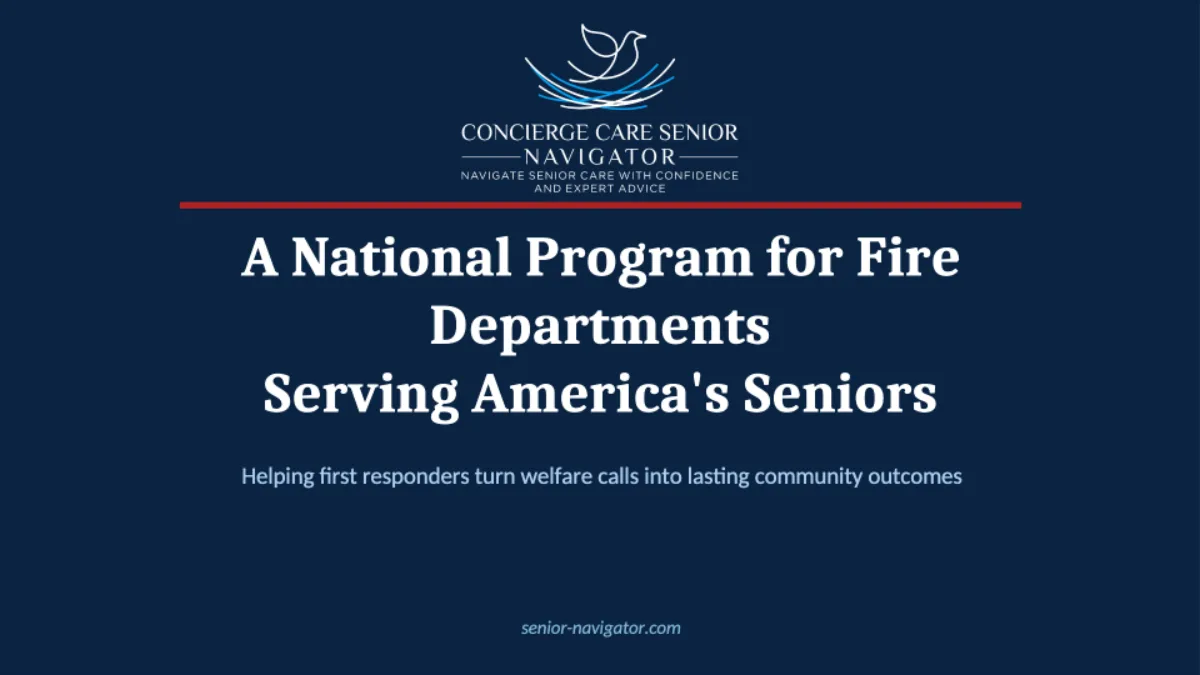
If you're evaluating the pilot for your department, the Program Overview is the document to read. It covers the operational case, what we're asking of crews, what we're not asking, the data flow (or lack of it), and how the pilot is structured.
Download the Program Overview (PDF)Founding Pilot Departments
Leading the Way in Washington
- South County Fire (Everett)
- Snohomish Fire Sultan
- Puget Sound Fire FD CARES
- Everett Fire
We're the Team Carrying It From Here.
Hand off the family and you're done — but you'll hear from us. We'll come by to check in periodically, and a Certified Concierge Care Advisor is on the line whenever you need one.
Get in TouchFree to use · We never collect or sell personal information · HIPAA-compliant